
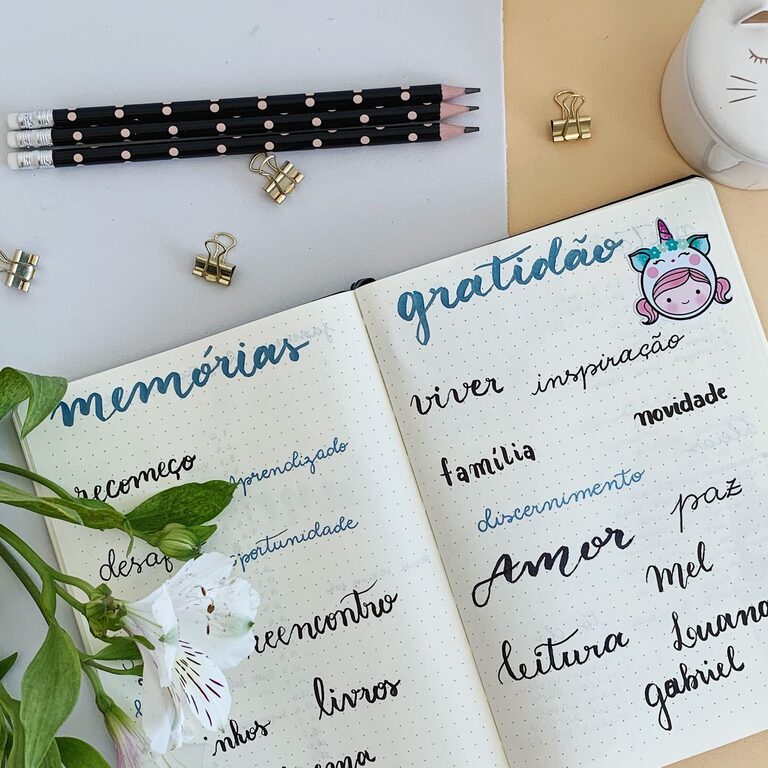
Gratitude journaling is a powerful and accessible way to boost happiness and well-being. By regularly writing down what you appreciate, you can shift your focus toward the positive aspects of life. If you’re new to this practice, starting a gratitude journal may seem challenging, but it’s simple with the right approach.
In this guide, we’ll walk you through the basics of how to start a gratitude journal, including tips to make it a meaningful and consistent habit.
What Is a Gratitude Journal?
A gratitude journal is a dedicated notebook or digital space where you record things you are thankful for. These can be big or small—anything that brings joy, comfort, or a sense of appreciation.
The goal is to cultivate an attitude of gratitude by reflecting regularly on positive experiences, relationships, or personal qualities.
Why Keep a Gratitude Journal?
– Improves mood and emotional well-being
– Encourages a positive outlook on life
– Enhances self-awareness
– Helps reduce stress and anxiety
– Strengthens relationships by appreciating others
Getting Started: What You’ll Need
Before you begin, gather a few simple supplies:
– A notebook or journal (lined or blank)
– A pen or pencil you enjoy writing with
– Alternatively, a digital app or document if you prefer typing
Choose what feels most comfortable. Some people love the tactile experience of writing by hand, while others like the convenience of digital notes.
How to Start Your Gratitude Journal: Step-by-Step
1. Set a Goal for Your Practice
Decide how often you want to write in your journal. Many people start with daily entries, but even just a few times a week can be beneficial. Setting a realistic goal helps build consistency.
2. Pick a Time and Place
Choose a specific time of day to write, such as morning or before bed. Find a quiet place where you can focus without distractions. This routine will help make gratitude journaling a habit.
3. Begin With Simple Prompts
If you’re unsure what to write, start with easy prompts like:
– What made me smile today?
– What is something good that happened recently?
– Who is someone I appreciate and why?
– What is something in nature I noticed today?
– What personal quality am I grateful for?
4. Write Freely and Honestly
There’s no wrong way to do it. Write whatever feels genuine. Your entries don’t have to be long—just a few sentences or bullet points are enough to capture your thoughts.
5. Focus on Specific Details
Specificity deepens your gratitude. Instead of writing “I’m thankful for my family,” try “I’m thankful for the laugh I shared with my sister this afternoon.” This helps your brain connect more deeply to positive memories.
6. Reflect and Revisit
Periodically look back through your journal. This can uplift your mood on tough days and remind you of ongoing blessings.
Tips for Maintaining Your Gratitude Journal
– Keep it visible: Place your journal where you’ll see it daily.
– Use reminders: Set alarms or sticky notes to prompt you.
– Incorporate creativity: Add drawings, photos, or stickers to make journaling enjoyable.
– Share occasionally: Sharing gratitude with friends or family can enhance feelings of connection.
– Be patient: It’s normal for motivation to ebb and flow. Just keep coming back to it.
Examples of Gratitude Journal Entries
Here are a few example entries to inspire you:
– “Today, I’m grateful for the warm cup of coffee that started my morning calmly.”
– “I appreciate my coworker who helped me with a project—it made my day easier.”
– “I’m thankful for the beautiful sunset I saw on my walk today; it reminded me to pause and breathe.”
– “Feeling grateful for my health and the energy I had to exercise.”
– “I appreciate how my partner listened to me when I needed support.”
Final Thoughts
Starting a gratitude journal is a simple yet effective way to nurture positivity in your life. It doesn’t require special skills or a lot of time, just a willingness to notice and record the good things.
Whether you choose to write every day or a few times a week, the key is to be consistent and kind to yourself. Over time, you’ll likely notice improved mood, greater resilience, and a richer appreciation for everyday moments.
Give it a try—you might be surprised how a few written words can brighten your outlook and deepen your happiness. Happy journaling!
About the Author